An accessible solution for collaborative cooking.

Diagnosis

Context

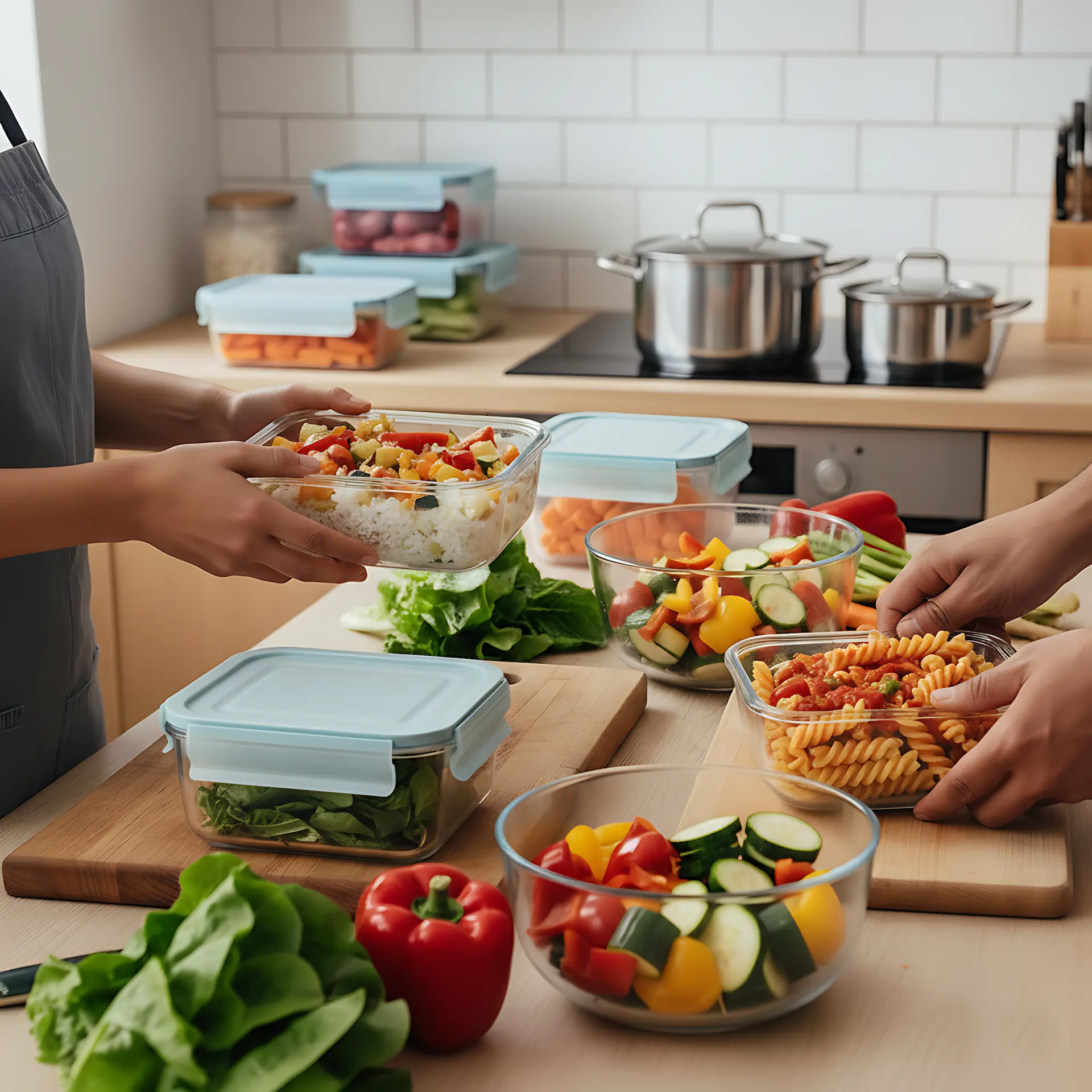
The project was based on our direct observation in major cities like Paris: student food insecurity and the underutilization of existing spaces. Students lack adequate space, ressources, tools, organization, and knowledge to cook healthy, diversified meals. Our vision was to transform unused kitchens into low-cost hubs for social exchange and practical culinary learning.

Problem

How can a digital service provide students in major cities with the necessary resources to foster healthy, consistent food habits? Thereby transforming a logistic constraint into a social opportunity?

Context and problem visualization

Role

As the lead UX product designer and partnering with a Data Scientist, I drove the discovery phase, from primary user research and physical proof of concept to low-fidelity prototyping. My job was to ensure the user experience came first, and that our project evolves towards building an economical model serving genuine human connection.

Key insights

  • Initial research identified the barriers to student autonomy: not just cost and space, but critical deficits in organization, nutrition and cooking knowledge.
  • The service’s value proposition are social engagement and learning. Users semmed highly motivated by the chance to meet, share culture, and learn new cooking skills.
  • The matching algorithm must be human-centered, prioritizing affinities like shared values, desire to teach/learn, and of course food habits.
Role and insights visualization
Role and insights visualization secondary

Conception

Methodology

I adopted a terrain-validated, service-first approach. The project prioritized non-digital Proof of Concept (PoC) before any interface development to ensure the core concept was viable. This saved development resources and focused the MVP scope.

Design conception

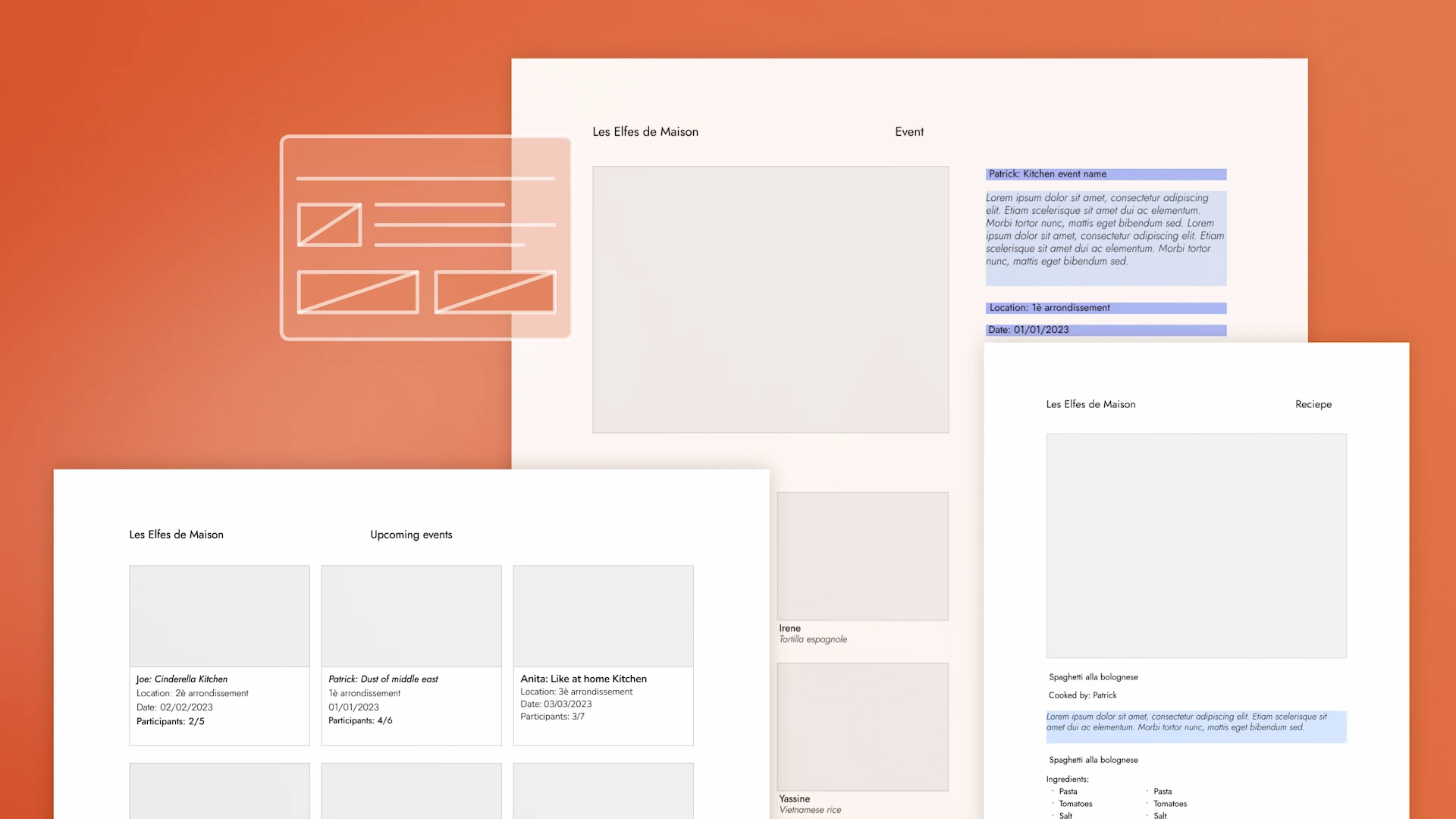
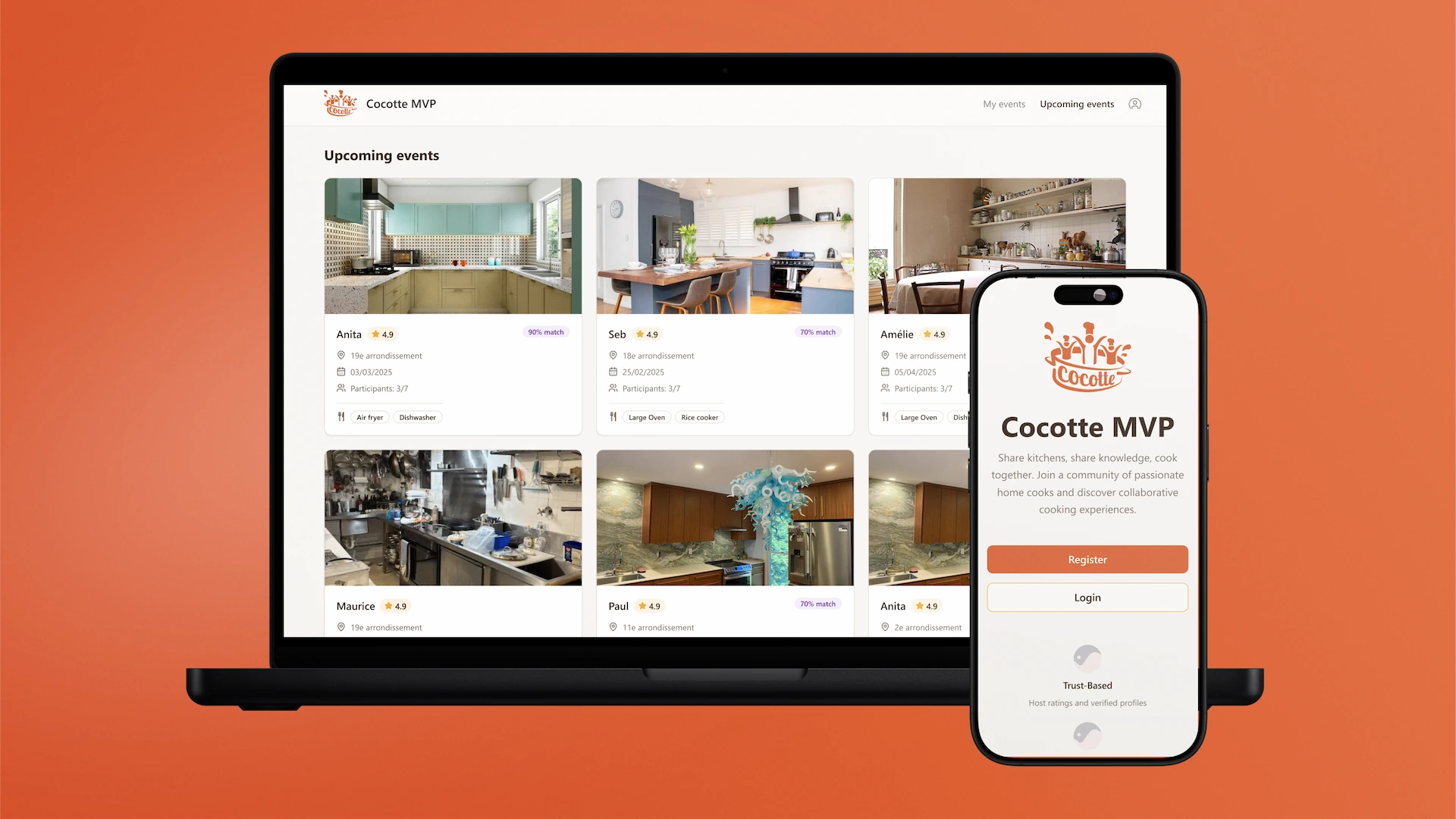
We used the validated user journey and insights from the physical PoC to define the essential functionalities and logic of the first digital prototype. A key strategic decision was transforming the basic Host Profile into a Social Trust Passport, prioritizing features that convey safety and community feedback over simple listing details. To ensure a high adoption rate, we formalized the matching criteria (age, distance, food preferences, quantity) which served as the technical specifications for the Data Scientist to optimize the recommendation algorithm. Additionally, I built this first prototype as an MVP to ensure future testing and iterations.
Conception visualization secondary

Results

Delivery

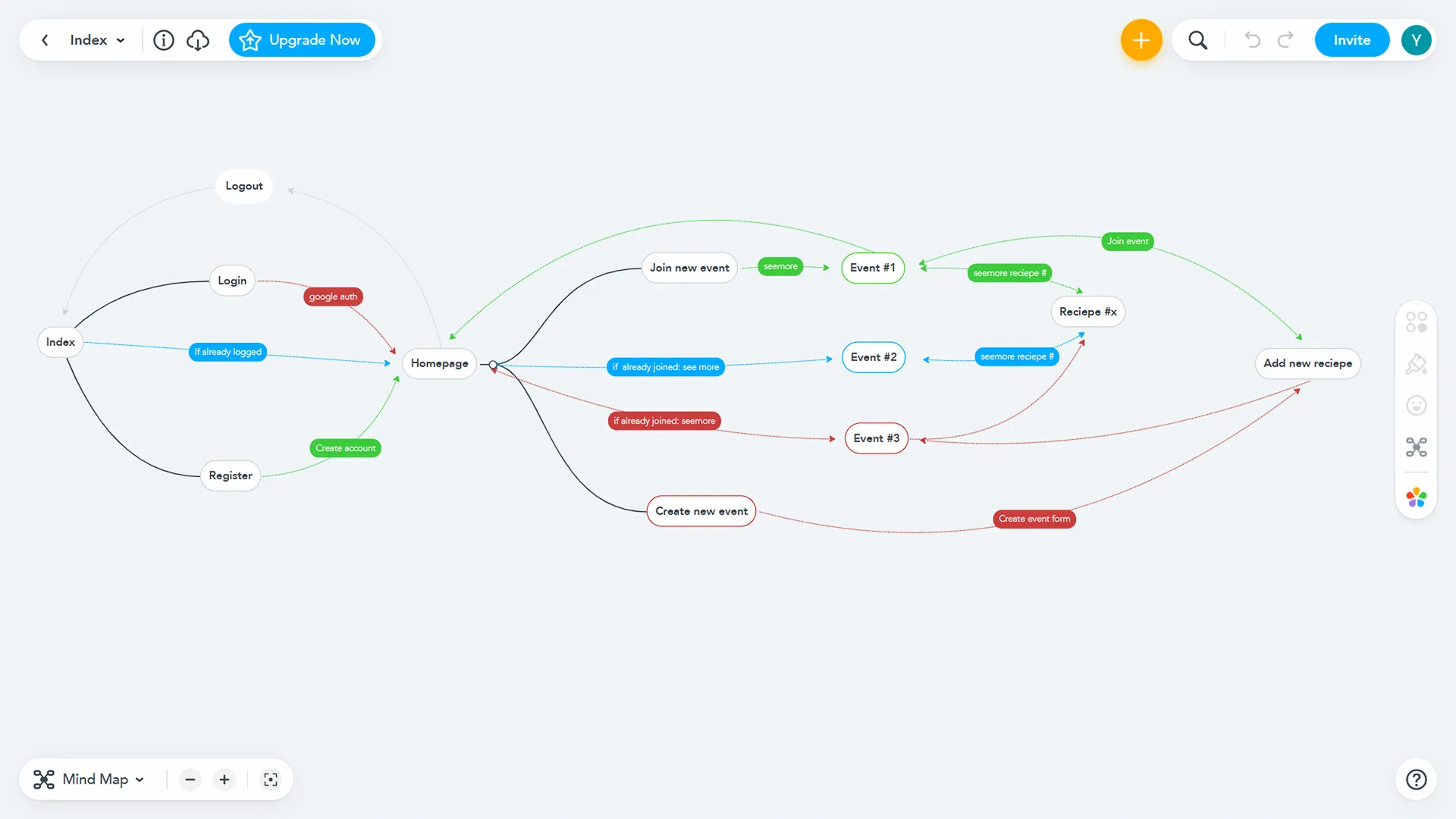
The project successfully delivered a Validated Concept and Experience Foundation. This process proved that the core user problem (building trust) was solvable through design, mitigating the risk of investing in development before product-market fit was clear. Key Deliverables: Low-Fidelity Prototype (Figma) of the critical matching/booking journey, Trust-Centric Information Architecture, and a comprehensive User Research Synthesis.

Metrics

  • Service Adoption KPI: Achieve 200 new user sign-ups within the first 3 months post-launch.
  • Validated Trust KPI: Maintain a profile completion rate of 80% or higher, reflecting user investment in the trust-building mechanisms.
  • Initial Match Rate KPI: Reach a Host & Cook match rate exceeding 60% within the first 3 months, validating the accuracy of the affinity-based algorithm.
  • Social Value KPI: Ensure 75% of users report learning a new cooking skill or organizational method after completing their first session, validating the pedagogical component.
Results visualization