Building an agile tool to design with ethics

Diagnosis

Context

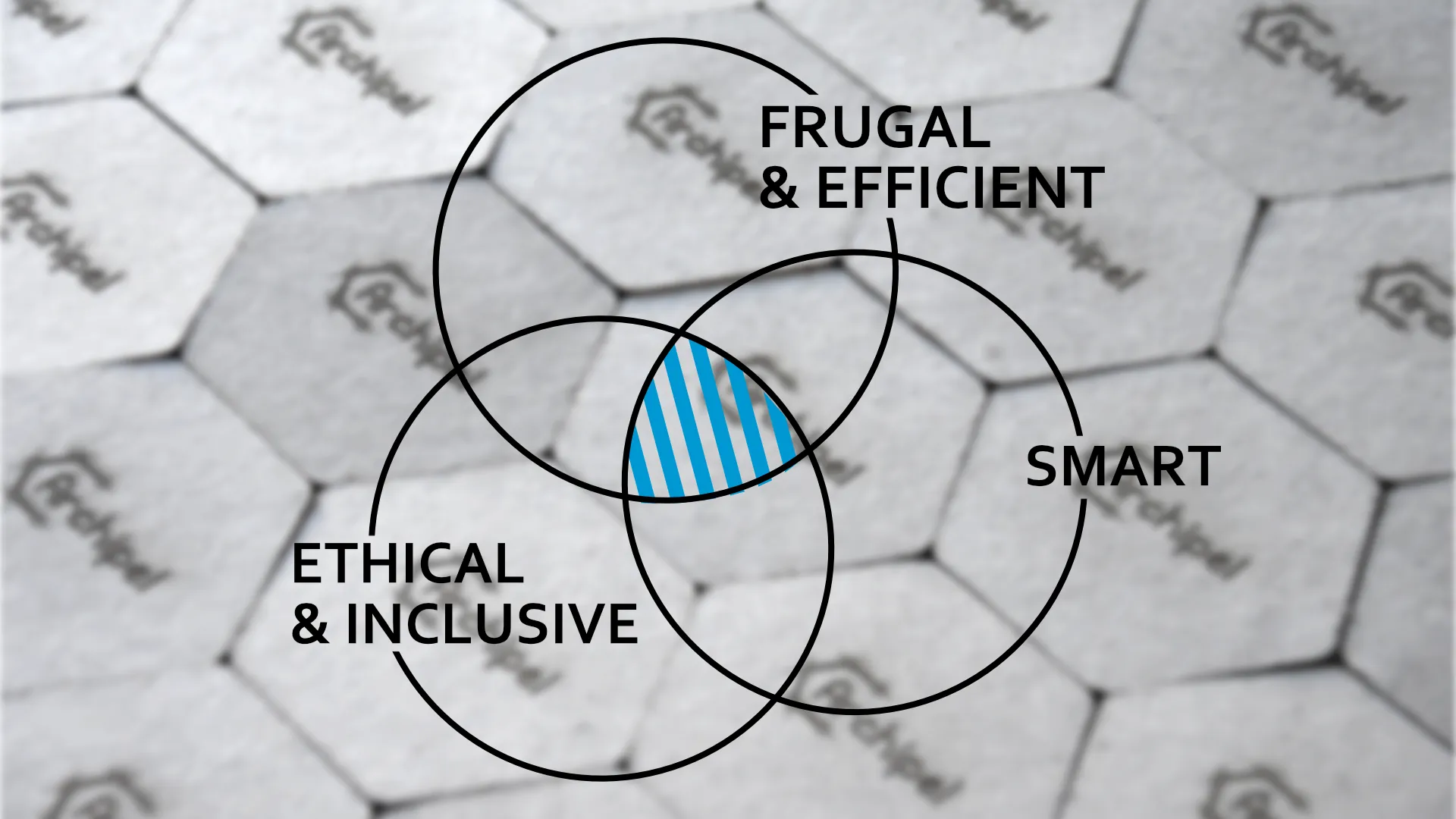
According to IDC, in 2022, the environmental impact of digital technology was exacerbated by the growth of data creation, estimated at 22.8%. This trend pushed the sector's carbon footprint toward an estimated 4% of global greenhouse gas emissions. This context triggered a conscious approach for the CDC. As a key financial institution, the CDC, through its Digital Factory's Design Studio, launched a proactive shift from a 'techno-vorous' approach to 'Thoughtful Digital.'

Problem

'How to do better with less?' How can we create a cohesive, adaptive, and engaging methodological tool to harmonize ethical, eco-design, and inclusive principles across diverse projects. How to effectively translate abstract concepts into tangible, actionable steps? The main barrier was a critical lack of a common, shared vocabulary across teams.
Context and problem visualization

Role

I was part of a 2 to 5 person team for 8 months, handling the full spectrum: deep research, strategic concept, testing, and prototyping the final solution. The client 'Caisse des Dépots et Consignation' selected our project for subsequent development.

Key insights

  • Strategic Alignment: Overcoming the lack of a shared vocabulary and securing formal decision-making.
  • Frugal & Scalable Design: The solution had to ensure scalability to save time, money, and energy.
  • Tangible Learning: Physical manipulation, was required in addition to digital support to encourage knowledge retention and interactions during team meetings.
Role and insights visualization

Conception

Methodology

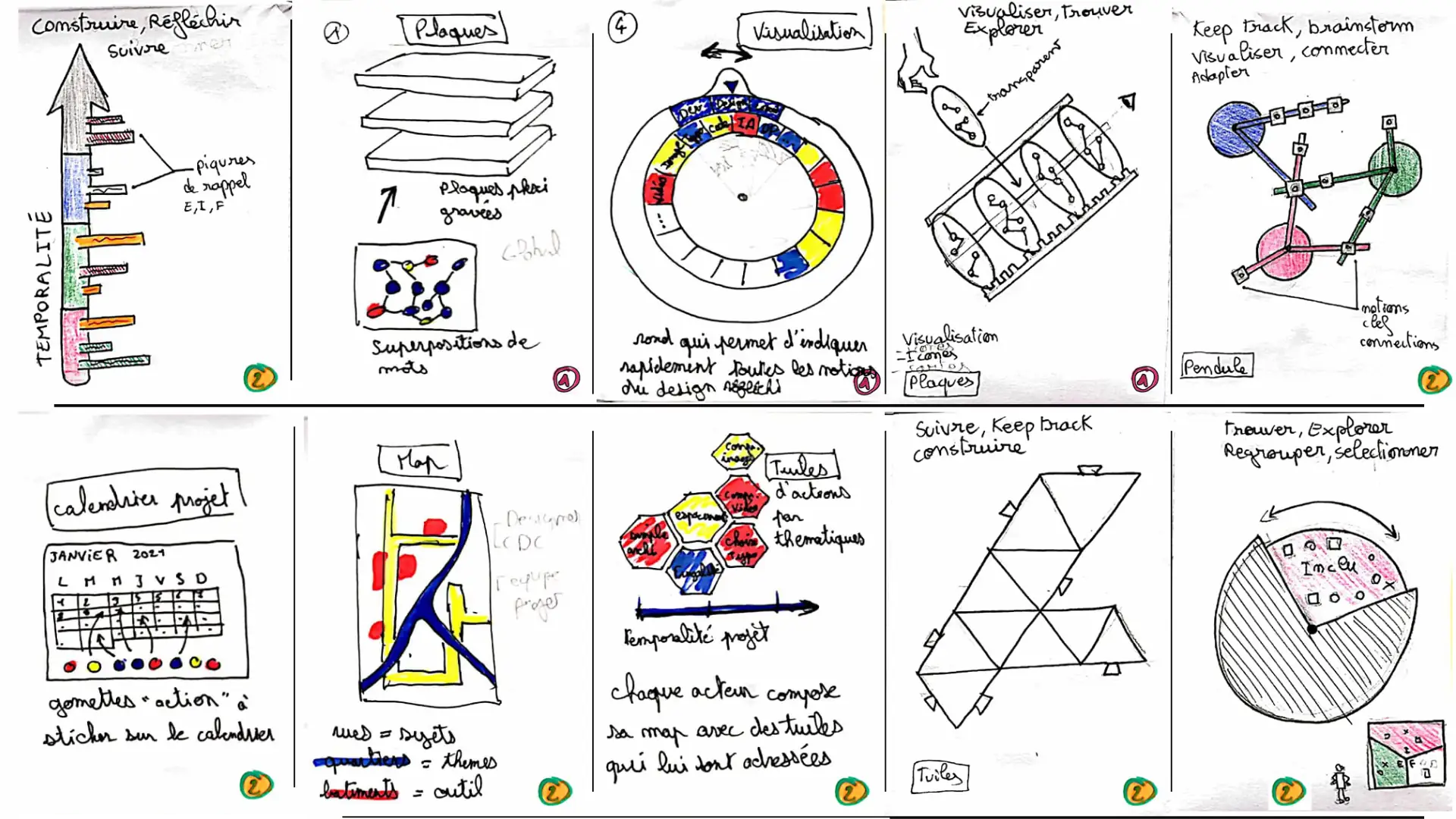
We adopted a structured, double diamond approach: 1. Research & definition: Identified problems and solutions across Eco-Design, Inclusive Design, and Ethical Design pillars. 2. Concept alignment: Formalised a vision focused on 'Architecture and Information Structure' to create a centralized, scalable synthesized reference model. 3. Refining: Developed three concepts, ultimately selecting the modular 'Archipel' design tiles for their potential to facilitate collaborative, hands-on learning.

Design conception

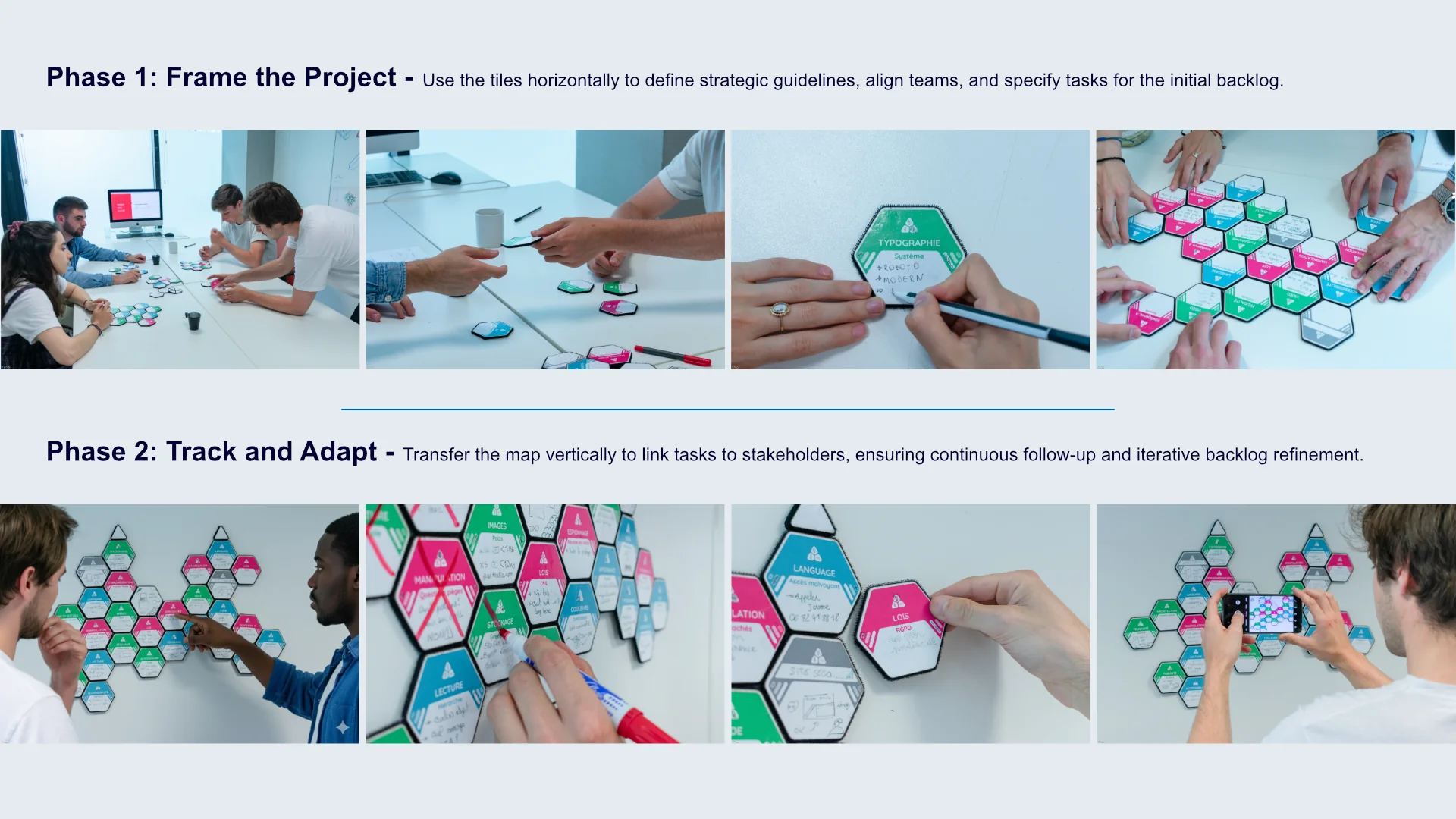
The retained concept, 'Archipel,' is a set of tangible project construction tiles. It functions as a simple, and adaptive aid for cross-functional project conception. In this specific case covering sustainability, ethics, and inclusivity. The tool physical map can be digitized and synched with planning platforms (e.g., Jira, Trello). Each tile is color-coded by category (ethics/inclusive/eco), role attibution, and dedicates space for custom details to help managers frame and monitor their projects.
  • The specific Notion and Task to perform.
  • The Responsible Stakeholder (Project Manager, Designer, or Developer).
  • The Priority and Timeline for implementation.
Conception visualization

Results

Delivery

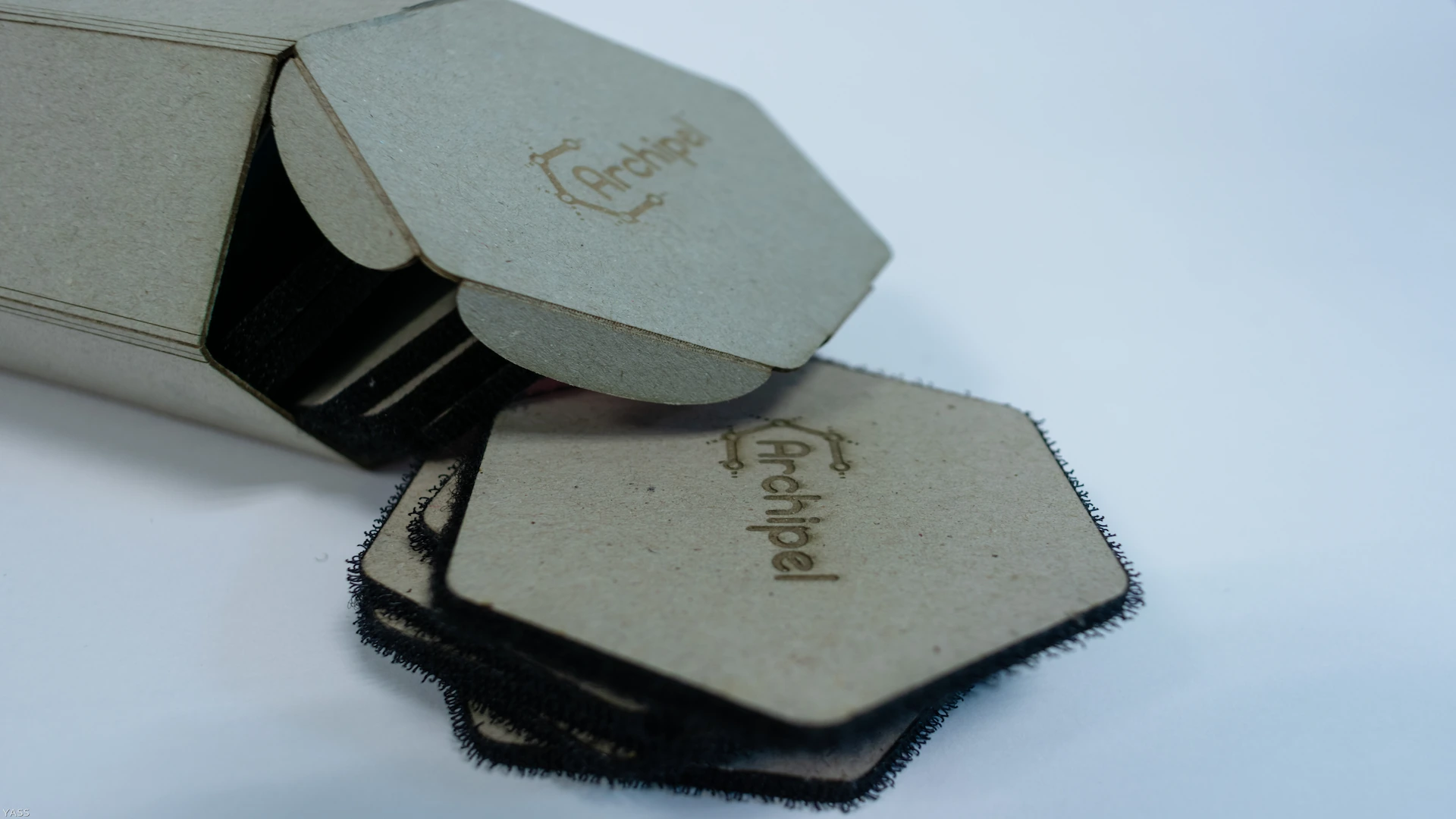
The concept was selected by the CDC and green-lit for subsequent internal development. I presented the study at the Nantes Digital Week and we led a dedicated development workshop with the CDC's internal design team in Paris. Delivered a final, physical prototype (laser-cut tiles, graphic overlays, and magnetic backing) ready for scaling.

Metrics

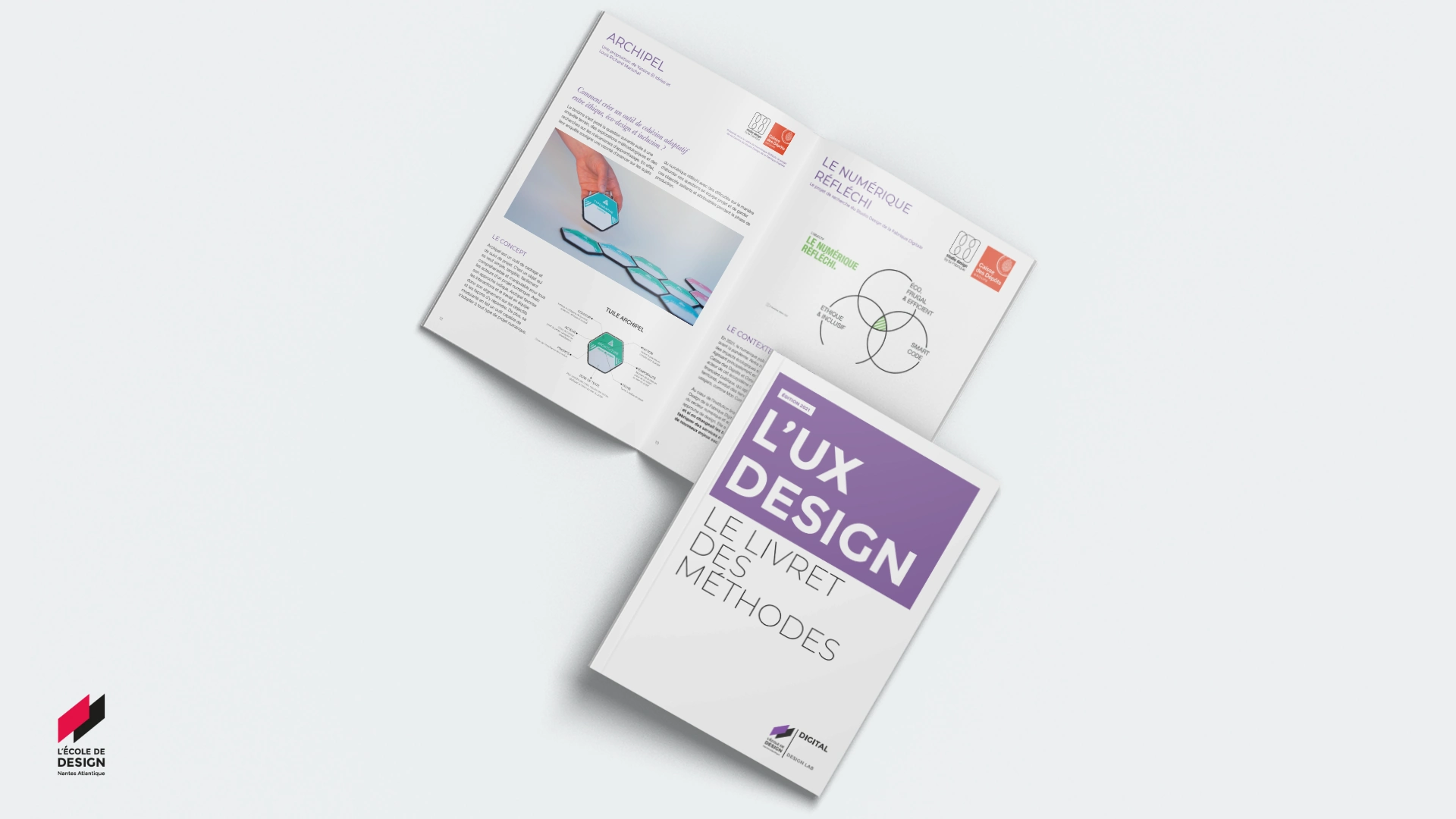
  • CDC winning award and published in the EDNA magazine.
  • Successfully delivered the prototype, including the production of 36 ready-to-use cards and a scalable database blueprint.
  • Achieve a 70% implementation of the prioritized tasks from the theoretical plan into the project's backlog within the first month
  • User Satisfaction: Achieve a Net Promoter Score of 7/10 or higher from Project Managers who used Archipel.
Results visualization